Command six Authority Positioning Secrets in Five Days (without competing on price ever again)

Are You Ready to Become the #1 Authority in Your Industry?

For go-to startup entrepreneurs to seasoned tech CEOs.

Attract and keep clients to maintain growth.

Thorntons chocolate
Adobe
M&S
Disney
EY - Ernst & Young
Tate & Lyle
Nestle
Virgin Money
Vodaphone
Barclays Bank

Why Authority Is Your Ultimate Sales Engine

Watch how authority works

Just like this lighthouse, your expertise becomes a powerful beacon that naturally draws premium clients to you. The ships don’t chase the lighthouse—they navigate toward it, seeking guidance and safety. When you establish true authority positioning, the same thing happens in your market. Clients stop shopping on price and start seeking you out specifically. They come pre-sold, ready to pay premiums, because they recognize you as the definitive expert who can solve their most critical challenges.

This isn’t theory—it’s how market leaders operate. While your competitors fight over scraps in price wars, you become the obvious choice that commands respect, premium positioning, and the kinds of clients who value expertise over discounts.

Ready to stop chasing prospects and start attracting them? The Six Authority Positioning Secrets above will show you exactly how to build this magnetic effect in your industry—so you never have to compete on price again.

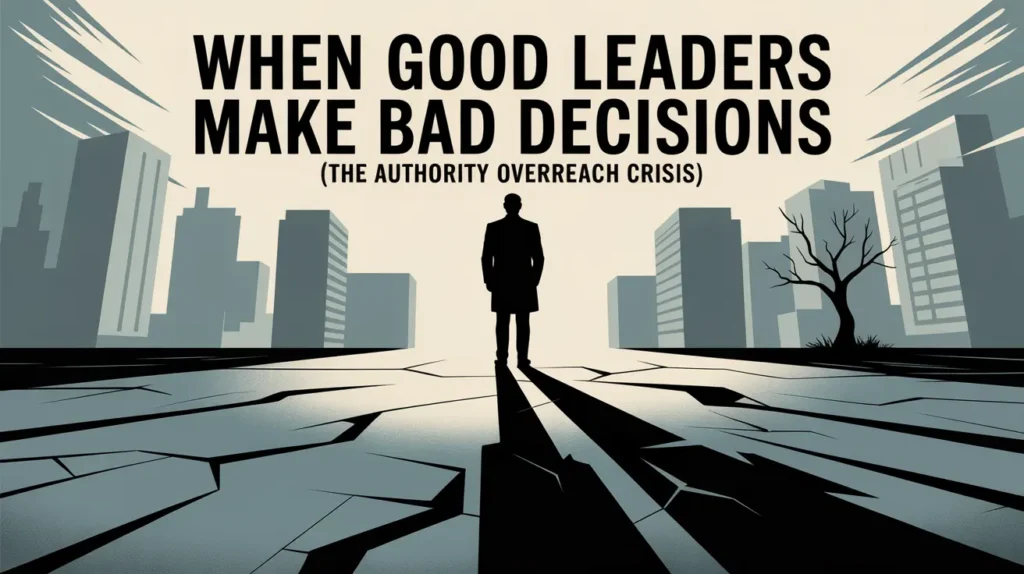
When good leaders make bad decisions

Watch how authority works

Every day, capable executives make decisions that devastate their organizations—not because they’re incompetent, but because they’re making choices outside their areas of expertise. A marketing VP overrides the engineering team’s timeline. A CEO mandates a technology solution based on a single vendor pitch. A CFO restructures operations without understanding the workflow implications.

These aren’t stories of bad leadership—they’re examples of a systemic problem that’s hiding in plain sight across organizations of every size. When positional authority overrides specialized expertise, even well-intentioned leaders can trigger cascading failures that cost millions and destroy morale.

The challenge isn’t eliminating hierarchy—it’s making it smarter. The most successful organizations have learned to harness the power of authority while protecting the value of expertise. They’ve discovered that the best decisions happen when leadership and specialized knowledge work together, not against each other.

Read Authority Overeach articles

“From visibility to victory: authority turns potential into performance!”

Authority Architecture Diagnosis – Free Assessment

5 Key Authority Gaps Most Miss (That Competitors Notice)

Your professional authority is key to your market value. It can have a more significant impact than any credential. Many expertise-based businesses focus only on improving knowledge. They often overlook how to identify expertise gaps. These weaknesses can hold you back. You may struggle to charge more, draw in your ideal clients, and build a strong business. Worse, they create a cycle where gaining more expertise leads to less success, not more. The difference between struggling experts and thriving authorities is rarely about knowledge depth. It’s about spotting and fixing…

5 Key Authority Gaps Most Miss (That Competitors Notice)

Your professional authority is key to your market value. It can have a more significant impact than any credential.

Many expertise-based businesses focus only on improving knowledge. They often overlook how to identify expertise gaps. These weaknesses can hold you back. You may struggle to charge more, draw in your ideal clients, and build a strong business. Worse, they create a cycle where gaining more expertise leads to less success, not more.

The difference between struggling experts and thriving authorities is rarely about knowledge depth. It’s about spotting and fixing the critical gaps in your authority framework.

5 Key Results Competitors Miss

The Hidden Penalty of Invisible Expertise

Your valuable knowledge often remains as unstructured “tacit knowledge.” Knowledge that the market cannot value.

Three things can go wrong. First, your delivery fails to improve. Second, you can’t help others succeed. Finally, competitors could get ahead of you. Many professionals make this worse by chasing new knowledge. They often forget to organize what they already know. More expertise can make it harder to show your unique value.

The Authority Architecture Diagnostic uncovers this hidden gap. It evaluates how well you’ve changed implicit knowledge into clear, protectable intellectual property. This can lead to higher income and more satisfied clients who prefer to work with you over others.

The Commoditization Trap: Most Experts Can’t Escape

The market can reduce your expertise to commodity status. So, you need to build clear strategic barriers.

Many professionals have impressive expertise but blend into a crowded marketplace. This forces them to compete on price, availability, or slight differences. Rates face constant downward pressure, and proving value takes more effort. Successful authorities create distinct positions that cut direct competition. There aren’t better options. There are different choices.

This diagnostic shows whether you are the true leader in your category. It also gives you more options, putting you in a stronger position of choice.

The Revenue Ceiling That Blocks Sustainable Growth

Traditional ways of monetizing expertise limit growth potential.

Many operators that rely on expertise use service delivery models. They link their income to the amount of time they spend on services. This creates three key issues: limits on growth, a lack of client access points, and changes in revenue. These issues explain why many experts face financial struggles despite their results. To make progress, create a multi-level plan. This plan should use your main intellectual property in several systems.

The diagnostic reveals gaps in your monetization strategy that hinder sustainable growth.

The Visibility Paradox That Exhausts Experts

Despite increased effort, creating content without a strategic framework leads to diminishing returns.

Many experts fall into reactive content creation. They work hard but see inconsistent results. They don’t have a straightforward way to show their expertise. This makes their efforts to be visible feel like they’re starting from scratch every time. Successful authorities build a strategic content approach that maximizes impact with less effort. They focus on authoritative assets that show expertise over time. They avoid creating temporary content that loses its impact shortly after.

The diagnostic checks if you have a clear visibility plan. It also looks for signs that you might be stuck in tiring cycles with no progress.

The Narrative Weakness That Undermines Technical Excellence

Your credentials matter less than your ability to craft compelling stories.

Many skilled experts struggle to stand out from others with the same qualifications. They compete based on credentials, overlooking the emotional connection that influences decisions. This makes them vulnerable to others with similar backgrounds. Successful authorities craft unique origin stories and frameworks. These connections evoke strong emotions, making them irreplaceable.

The diagnostic checks if your story is unique and not focused on technical skills.

How the Authority Architecture Diagnostic Works

The diagnostic reveals the gaps that keep your expertise from commanding premium rates.

The Authority Architecture Diagnostic includes a 25-question assessment. It covers five main areas:

  1. Knowledge Asset Clarity
  2. Market Positioning
  3. Monetization Architecture
  4. Visibility Systems
  5. Strategic Narrative

Each area is rated on a 1-5 scale, showing your authority’s strengths and weaknesses. The assessment takes about 15 minutes and provides immediate insights into improvement opportunities.

Your lowest score shows the key gap that hurts your authority and market value. Scores of less than 100% in the other areas also signify opportunity.

The Strategic Authority Blueprint That Transforms Results

Fixing your authority gaps creates advantages that boost market value.

The diagnostic results offer more than insights. They provide a clear roadmap for improvement. Tackle your most significant gap first. This gives you leverage and boosts your entire authority framework. This systematic approach avoids scattered, ineffective efforts that waste resources. It helps you change your strategy. This way, you won’t waste time and resources on tactics that don’t fix your main problems.

The Authority Architecture Diagnostic shifts your perspective on market positioning. It uncovers the hidden weaknesses that limit your professional authority.

5 Key Results Competitors Miss

“Your authority is your personal brand. Make it powerful and memorable!”

Thought Leadership for Aspiring Business Owners Looking to Expand by Enhancing Their Credentials

Many business owners have untapped credibility at their fingertips. They often ignore their current skills. Instead, they seek new certifications, degrees, and qualifications. This habit slows their growth.

The truth about business growth differs from what most “experts” say. It’s not about gathering more credentials. It’s about amplifying the expertise you already have. The Content Marketing Institute finds that businesses that show their skills get 7.8 times more traffic. They also convert prospects better than those who do not. The real value lies in the credentials and how you present them to the market.

Your knowledge, experience, and credentials are enough to establish you as an authority. This guide helps you turn your expertise into strong thought leadership. This can attract valuable clients.

The Credential Amplification Method

Many business owners misunderstand their relationships with credentials.

They treat credentials like Pokémon cards. They collect more and more, thinking that having many means success. They pursue one certification after another. They believe the next one will increase their authority. When the new credential arrives, they face a tough truth. The market values visibility and strategy, not qualifications.

James is a business consultant. He spent three years earning extra certifications before starting his practice. Despite his long list of qualifications, he struggled to attract clients. Sarah had fewer formal credentials. Yet, she demonstrated her expertise through targeted content and case studies. In 18 months, Sarah created a waiting list of top clients. At the same time, James puzzled over why his credentials weren’t helping him succeed.

Sarah knew the “Credential Amplification Method.” This approach emphasizes her skills in creating a strong market presence.

This method doesn’t need more qualifications. Instead, it makes your current expertise visible, valuable, and aligned with market needs. This creates a cycle where visibility leads to opportunities, enhancing your perceived authority.

The key change is moving from gathering credentials to boosting your presence. This helps you become the top authority in your field.

Business owners often realize that their image is more important than their skills. While credentials lay the groundwork, strategic amplification builds recognized authority.

The 5-Step Credential Amplification System

The market rewards visibility, not qualifications.

Most business owners have the mistaken belief that their credentials speak for themselves. They do not. Here’s a step-by-step system that turns ordinary credentials into extraordinary business growth:

1. Credential Inventory and Positioning

Your experience likely contains valuable expertise that clients will pay for.

Start by listing every credential, experience, and knowledge area you have. Include formal education, certifications, past roles, projects, and relevant personal experiences.

The magic lies in reframing these credentials through client outcomes. A basic project management certification helps you finish complex projects on time. This can save clients about 23% in implementation costs.

Even ordinary experiences can provide valuable expertise. “I built my leadership skills by leading a small team for three years during a change. Connect your experiences to the challenges that your ideal clients face.”

The credential is a starting point. Strategic positioning transforms it into market value.

2. Authority Content Creation Blueprint

Content is more than information; it’s proof of your expertise.

Effective thought leaders follow a structured content creation approach:

First, identify 3-5 core “pillar topics” in which you want to establish yourself as an authority. These should blend your expertise, market demand, and low competition. Build an innovative network of related content. This will strengthen your authority in these areas.

Next, use the “Value Escalation Framework” for each content piece. Begin with a surprising idea that goes against common belief. Support it with proof from your experience or studies. Finally, provide a helpful tool or framework that adds immediate value.

Great authority content does more than inform. It changes how your audience views their problems. When a prospect thinks, “I never considered it that way,” you are an innovative authority. You’re more than just another service provider.

This blueprint helps you turn your knowledge into content assets. These assets serve as salespeople for your expertise, working all day and night.

3. Strategic Visibility Expansion

Visibility without strategy leads to noise. Strategic visibility builds authority.

Adequate credential amplification isn’t about presence. It’s about being in the places where your ideal clients search for solutions. Find the “watering holes” where your target market meets. These include industry publications, podcasts, online communities, and events they like to attend.

Develop your “Signature Perspective,” a unique viewpoint that sets you apart. This perspective becomes your pitch for guest opportunities. Pitch this perspective instead of yourself. Hosts and publishers will want to share it.

Apply the “Authority Multiplier Process” by repurposing content across many platforms. One insight can become a LinkedIn article, podcast, guest post, video, or keynote speech. Each option boosts your authority in your target market.

Strategic visibility is not about numbers. It’s about being relevant to your ideal clients. Five hundred views from potential clients matter more than fifty thousand from others.

4. Social Proof Acceleration

Today, what others say about you matters more than what you say about yourself.

Many business owners wait for testimonials and recognition. Strategic thought leaders create systems to generate social proof.

Use the “Evidence Cascade Method” to gather three types of evidence.

  • Client testimonials that show transformation.
  • Data-driven results.
  • Endorsements from credible authorities that support you.

Connect with recognized experts in related fields to create “Authority By Association.” This can include working together on content or projects with industry leaders.

Strong social proof shows your expertise. It also shares the story of the transformation you create. When potential clients see how you’ve helped others, they already see your value. They’re ready to listen even before you start talking.

5. Credential Monetization Framework

Without effective monetization, thought leadership remains a hobby.

Your credential amplification is successful when you can ask for a raise for your skills. Create your “Value Ladder.” This is a list of offerings with rising price points. It lets clients experience your skills at different levels of commitment.

Structure your offerings around the transformation you deliver, not the process. Clients don’t buy coaching or consulting—they buy outcomes. Present your offerings by highlighting expected results. Use your strong credentials as evidence.

Use “Scarcity Triggers” to leverage your positioned expertise for premium pricing. Options may include limited availability, restricted application access, or your unique methods. When you amplify your credentials, they reflect your unique value.

The main goal isn’t higher prices. It’s about attracting clients who trust your expertise. When they act on your guidance, it leads to better results and boosts your authority.

Speed up your growth with expert guidance: The David White Advantage.

Even the best frameworks need expert implementation to reach their full potential.

Even the most powerful frameworks need expert implementation to achieve their full potential.

The Credential Amplification System offers a clear roadmap. Yet, to use it well, you need guidance suited to your expertise and market position. This is where strategic mentorship becomes the accelerator for your thought leadership journey.

As a CEO coach with decades of experience in many industries, I provide a unique edge. I help new business owners grow their tech, finance, marketing, and business development skills.

I base my approach on principles that set it apart from typical consulting. Instead of short-term projects, I build long-term partnerships focused on sustainable growth. I work in close collaboration with business owners. Think of me as your “secret weapon.” I help create strong positioning strategies. Sometimes, I even help with the implementation. You will always stay in charge and have complete visibility.

I work with clients to build new income streams and strong marketing strategies. I help them land high-value clients. I do this through smart retainer relationships and shared incentives. I have a strong background in SEO for big brands. I develop business for financial institutions. I also share business practices with company owners. This mix gives me a unique view that helps me spot opportunities others miss.

My approach stands out because it focuses on using what you already have. I don’t offer one-size-fits-all solutions. We find the unique mix of your skills, market opportunities, and authentic voice. Then, we build a thought leadership position. This connects with high-end clients and shows your clear authority.

Business owners need a solid strategic partnership to turn credentials into recognized expertise. This partnership can reduce years of trial and error to a few months of focused effort.

From Credential Collection to Authority Acceleration

Struggling business owners don’t fall short because they lack credentials. Successful leaders know it’s about more than that. It’s about how they amplify their strategies.

The most valuable asset you own isn’t your next certification or degree. You are ready to showcase and expand your hard-earned expertise. The Credential Amplification System turns your passive qualifications into active business assets.

This isn’t about creating false authority or marketing hype. It’s about sharing the real value of your knowledge. You want to connect with those who need your expertise. Shifting from collecting credentials to amplifying your strategy helps your business grow. It also boosts the impact of your knowledge on those who need it.

Your existing credentials are already enough. Begin boosting them now, and watch your authority and business grow faster.

Would you like me to add any specific quotes throughout the piece that would enhance its impact? I can suggest several that would complement the themes we’ve developed.

Thought Leadership for Aspiring Business Owners Looking to Expand by Enhancing Their Credentials

CEO Catalysts

Actionable intelligence and proven strategies

CEO Catalysts contains insights that technology CEOs turn to every week.

  • Competitive Advantage
  • Market Expansion
  • Revenue Growth
  • Battle tested strategies
  • Industry Authority
  • Funding
Strategic Pivot
Q1 2025 Change is on the cards!
CEO Success Formula
Double Your Leads
2025 Predictions
The Authority Revolution
Teslas Risk Strategy
Storytelling Transforms

CEO Catalysts is for strategic innovators and technology leaders. CEO Catalysts contains weekly insights into measurable market advantages for CEOs worldwide.

Proven Strategies

Action Orientated

Real Results

“Become the leader who inspires. Authority is your guiding star!”

Do you want to unlock explosive growth through entrepreneurial thinking?

The Authority Figure helps you and your team cultivate the mindset and skills needed to drive innovation and achieve ambitious goals, whether you’re leading a startup or a team within a larger organisation.

We provide actionable insights, proven strategies, and a supportive community, empowering you to:

  • Become a recognised authority in your field, building trust and influence with your target audience.
  • Identify and capitalise on new opportunities, turning ideas into concrete results.
  • Develop stronger communication and leadership skills, inspiring your team to achieve peak performance.


Our programmes are
tailored to your specific needs, whether you’re an entrepreneur seeking to scale your business or a corporate leader looking to foster growth within your company.

“Let authority amplify your voice. Be the expert everyone seeks out!”

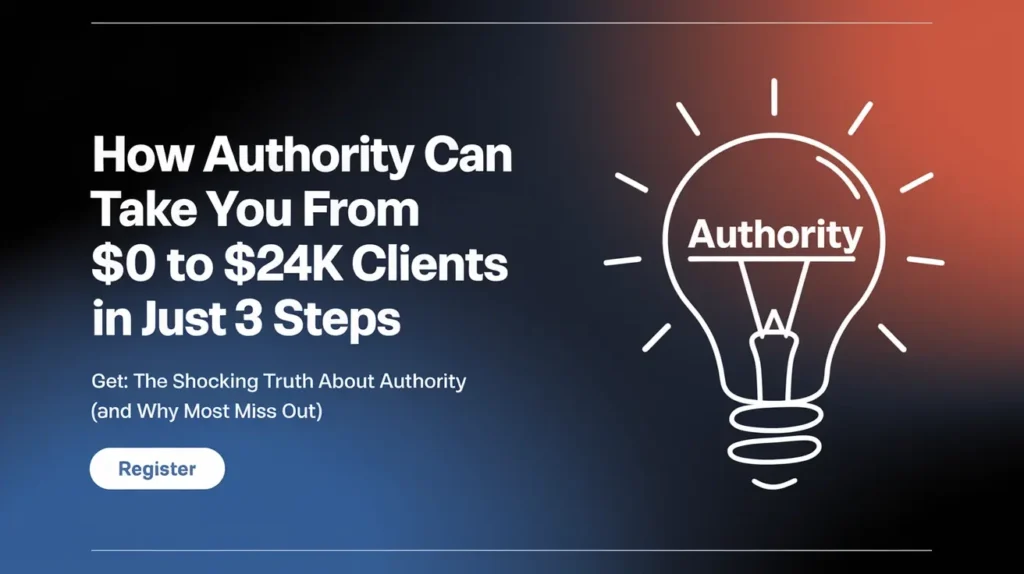
How authority can take you from $0 to $24k clients in just 3 steps

Get a copy of ‘The Shocking Truth About Authority (and Why Most Miss Out)’ too.

0 to 24k

“Authority amplifies your voice and message. Make every word count!”

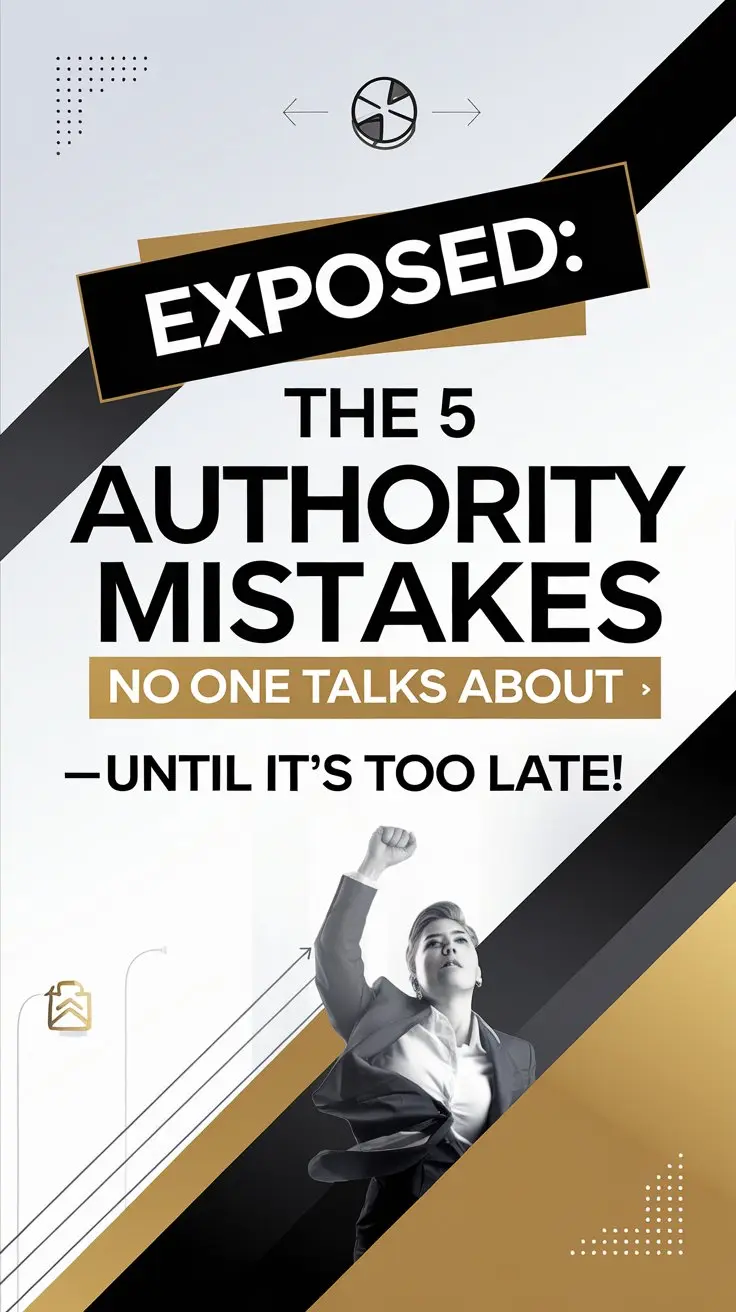
Are You Making These 5 Common Mistakes?

The Authority TRAP

Most business owners and leaders fall into hidden traps that secretly sabotage their credibility and growth. 

Curious? Read on to see if you’re making these authority-killing errors!

5 Authority Mistakes

“More affordable than a degree and lasts a lifetime. Invest in your authority!”

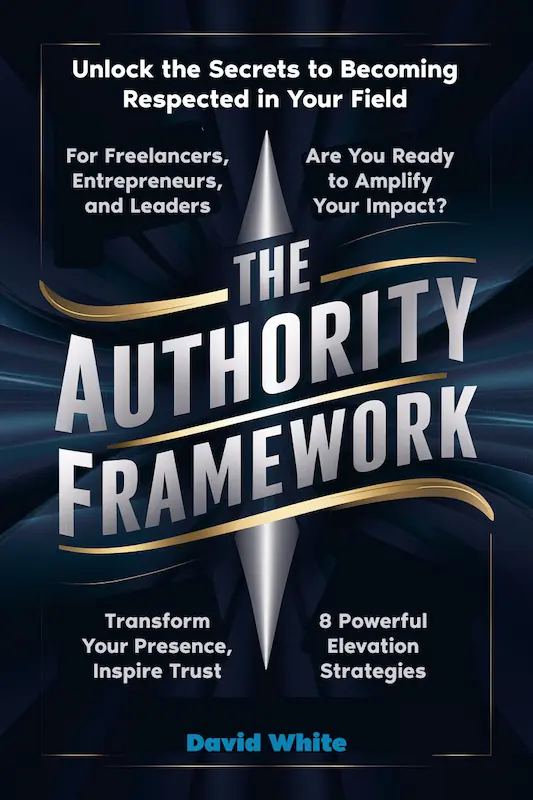
The Authority Framework

Authority Framework Cover

Boost your leadership and attract more success. 

1. Focus on People, Not Just Tasks:
Move beyond just managing tasks—prioritize your connections.

2. Lead by Example:
Your actions set the standard. Demonstrate the mindset you want to see in others.

3. Communicate the “Why”:
Motivate by sharing the bigger picture. When your team knows why their work matters, engagement soars.

4. Embrace Change:
Change is an opportunity, not a threat. Turn challenges into innovation and growth.

The Authority framework

Ready to elevate your authority? Download the complete AUTHORITY Framework now and start leading like a pro! No sign-up needed. ⬇️

Overwhelmed by Changing Trends?
Frustrated with Marketing Efforts?
Lacking Consistent Client Flow?
Struggling to Stand Out?
Unclear on Next Steps?
Doubting your value?
Want to be heard?
Best in your field?

Get your copy of the Authority framework

“Unlock your full potential. Authority development is the key to success!”

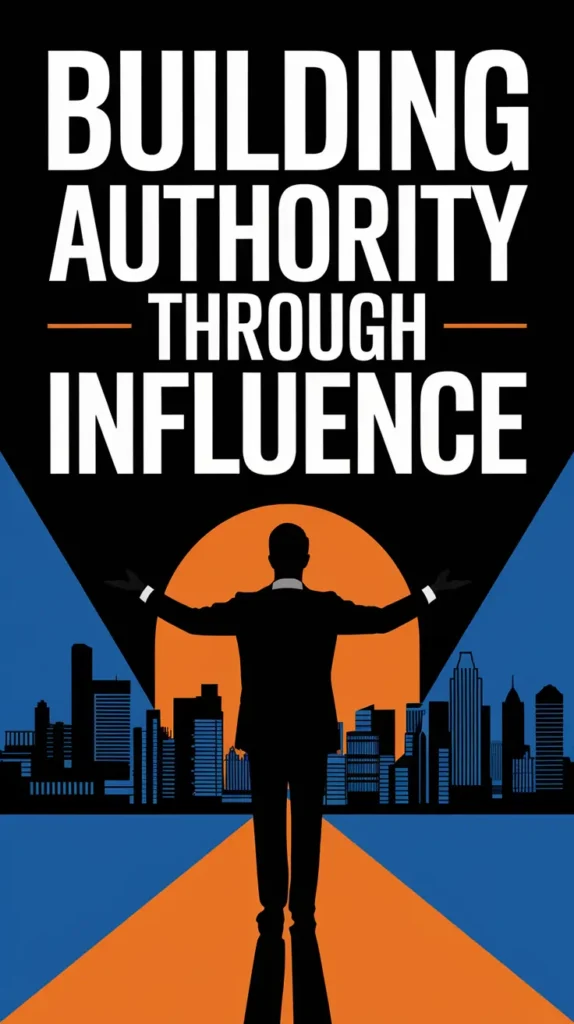
Building Authority Through Influence

Discover the Power of Influence

  • Learn how to turn your expertise into authority with the INFLUENCE framework.
  • Master the art of connecting with your audience on a deeper level.
  • Understand what truly drives your market and how to respond effectively.
  • Build trust and credibility that set you apart from the competition.
  • Find out how to create value that resonates and endures over time.
  • Discover simple, actionable steps to make a lasting impact.
Building Authority

Don’t Miss Out on Building Authority Through Influence!

  • Instant Download: Get immediate access to the guide with just one click.
  • Completely Free: No signup required, no strings attached—just valuable insights and strategies.
  • Take the First Step: Download “Building Authority Through INFLUENCE” now and start your journey to becoming a recognized authority in your field!
Get your copy of the influence framework

“Stand tall in your field. Authority is the backbone of success!”

“Unlock growth opportunities. Authority opens doors you never imagined!”

5 Signs Your Organization Has Authority Overreach

Authority Overeach

A survival guide for dealing with corporate hierarchy overreach—backed by real experiences.

I’ll never forget when our client, the CEO, decided he was a search engine optimization expert.

Fueled by a Google search and much caffeine, he entered our Monday morning meeting. He announced that we would be completely overhauling our SEO strategy.

Forget that I spent more than 20 years leading London’s first search engine marketing firm. Never mind the carefully researched strategy we’d been successfully implementing for months. The boss had spoken.

Sound familiar? If you’ve worked in a corporation, you’ve seen “hierarchical overreach.” You might have felt it yourself, too. It’s that special time when power meets real skill, but skill often gets run over.

But here’s the thing: I’ve seen this movie from both sides of the conference. I’ve watched my advice get ignored, and I’ll admit, I’ve also been that eager executive making choices I shouldn’t have.

The good news? There are ways to navigate this minefield without losing your sanity, job, or will to live.

5 Signs Your Organization Has Authority Overreach

The Anatomy of Authority Gone Wild

When leaders become accidental saboteurs.

You’re the IT director. You’ve spent months searching for the right software. You’ve looked at seventeen options. You’ve talked with your team, run pilots, and made a solid implementation plan. The CEO goes to a vendor lunch. There, he chooses the charming salesperson’s pitch. Sounds like a nightmare? Welcome to Tuesday.

While running Weboptimiser, I watched this scenario play out countless times. After seeing a blog post on a new Google update, CEOs may overlook solid SEO plans. Marketing directors sometimes quit successful pay-per-click campaigns. Often, this is because a friend talked about a new strategy.

The damage isn’t professional—it’s personal.

I once worked with a brilliant financial analyst at a big bank. They spotted significant risks in the bank’s factoring services. Her warnings were dismissed by executives who thought she was being “overly cautious.” When the predicted losses materialized six months later, guess who got blamed? (Hint: It wasn’t the executives.)

The Authority Figure’s Dilemma: Many people miss this about overreach. Sometimes, the boss doesn’t see they’re going too far. I learned this the hard way during my early days in cybersecurity consulting. After teaching CISSP training, I felt sure I knew all about organizational security. I’d walk into client meetings and redesign their security plans. I was unaware of the daily challenges their teams dealt with.

A wake-up call hit me when a seasoned CISO pulled me aside. He said, “Your technical recommendations are good, but you’re solving problems I don’t have. You’re overlooking the things that keep me awake at night.” That talk changed how I view authority and expertise.

The Expert’s Frustration: It’s tough when you’re the expert and no one listens. It feels soul-crushing. I’ve seen talented engineers turn into passive order-takers. This happens when their innovative suggestions get ignored too often. They stop innovating, stop pushing back, and start mentally checking out.

During CISO training, I met a security expert who felt demoralized by constant overrides from higher-ups. As a result, he stopped writing thorough risk assessments. “Why bother?” he told me. They’re just going to do whatever they want anyway.” The tragic irony? His organization needed his skills. They wanted to avoid a major security breach six months later.

The Real-World Cost of Getting It Wrong

Learning from Luxury (and Other Expensive Mistakes)

Working with luxury brands like Cartier and Piaget taught me about hierarchical overreach. These experiences were some of the most educational I’ve had. In the luxury goods world, brand protection isn’t just important—it’s everything. A single poorly executed decision can damage decades of carefully cultivated brand equity.

The marketing director of a top luxury brand kicked off a bold online ad campaign without consulting the brand team, which I remember well. The campaign was technically successful—it drove traffic and conversions—but it was also very off-brand. The discount-style messaging shocked the brand guardians. The campaign was pulled in 48 hours, yet it took months to fix the damage to internal relationships.

The Innovation Killer: Too much hierarchy can stifle innovation. I often noticed this while working with FMCG companies in coffee and chocolate. Product development teams would take months to research new flavors and packaging, but executives would often reject their ideas in favor of “safe” options.

One chocolate maker I worked with found a big chance in the premium dark chocolate market. They had the research, the consumer insights, and a brilliant product roadmap. The CEO, who built his career in mass-market candy, couldn’t see beyond his experience. The company stayed with its usual strategy. Meanwhile, competitors took over the premium market it could have dominated.

The RACI Revelation

I first learned about the RACI framework while working in cybersecurity consulting. It changed my perspective. RACI stands for Responsible, Accountable, Consulted, and Informed. It’s a simple matrix that shows who does what in a decision.

I first saw RACI during a chaotic security setup at a financial services firm. The project was losing money and time. Everyone thought they were in charge. The CISO thought he owned all technology decisions. The CTO believed security fell under his purview. The CFO wanted control over any purchase over $10,000. The security engineers would set up and run the system, but they did not influence the decisions.

The RACI Intervention: We had a tough day mapping each decision point in the project. Then, we assigned RACI roles. The CISO handled the security strategy, the security engineers took care of the technical implementation, the CTO had to be consulted on architectural choices, and the CFO wanted updates on budget impacts. Yet, he was not involved in approving security purchases.

The transformation was immediate. Decisions that had been taking weeks were suddenly resolved in days. The decisions improved because they included the right expertise at the right level. The project came in on time and under budget—a minor miracle in cybersecurity.

Practical Solutions (That Actually Work)

The “Translation Layer” technique

One great strategy I use to stop hierarchical overreach is my “translation layer.” I learned this from my years at Ernst & Young’s Entrepreneur of the Year program. I needed to connect visionary entrepreneurs with professional service partners. These partners focus on processes and managing risks.

The key insight is that expertise gets ignored. It’s not usually because it’s wrong. Instead, it’s often due to the way it’s shared. Authority figures may not see how it connects to their priorities. The skilled technical architect loses the executive audience right away. When people mention “microservice decomposition” and “eventual consistency patterns,” it often doesn’t connect. The architect says, “This will cost $2 million and delay our European expansion by six months.” Now, everyone is paying attention.

The Business Impact Translator: I learned to translate technical skills into business results. When I team up with luxury brands, I don’t use phrases like “technical SEO improvements” or “schema markup.”

I have two main goals:

  • Protect the brand from counterfeiters.
  • Boost its visibility in important customer searches.

This isn’t about simplifying the expertise. It’s about linking it to results that matter to decision-makers. The technical details remain. They are presented in a way that authority figures can grasp and use.

The “Red Flag” System

At Weboptimiser, I led teams of over 60 employees. During this time, I introduced the “red flag” system. Each expert got three red flags each year. They had formal objections to use against any decision they felt was wrong.

How It Worked: When someone raised a red flag, the decision was automatically paused for 48 hours. The expert needed to write a brief explaining their concerns and suggesting alternatives. The decision-maker had to respond in writing with their reasoning. They could still choose to proceed. Yet, the whole exchange was documented and reviewed every quarter.

The system worked beautifully for two reasons. First, it made experts pick their battles wisely; you don’t use a red flag for small disagreements. Second, it urged decision-makers to reflect on their reasoning, not just rely on their authority.

I recall a time when our lead developer flagged a client’s request. The client wanted to rebuild their e-commerce platform, but the timeline was impossible. His flag made us talk more with the client about their real needs, leading to a phased approach. We delivered value faster and with much less risk. The client saw better results. We avoided a tough project. Our relationship grew stronger.

The “Expertise Audit”

Here’s something I wish I’d implemented earlier in my career: regular expertise audits. Each quarter, we review key decisions from the last three months and check whether the right people made those choices with the right information.

This lesson is based on a difficult time in an extensive search engine marketing campaign for an automotive client. The campaign was technically perfect, with excellent keyword research, compelling ad copy, and optimized landing pages, but it was a total failure for the business. We didn’t grasp the seasonal buying patterns in the automotive industry. We had launched a major push right before the traditional summer sales slump.

The Audit Process: The quarterly audit wasn’t about blame but learning. We’d examine decisions that worked well and understand why. We’d explore decisions that didn’t work and identify the expertise we missed. We would use these insights to make better decisions as we moved forward.

The automotive campaign did not succeed, so we decided to add “industry expertise checkpoints” for all major campaigns. Before we launch anything important, we’ll talk to an expert. They know the industry well. It seems obvious in retrospect, but it took a failure to make it obvious.

Recovery Strategies: When It All Goes Wrong

The “Graceful Pivot”

Sometimes, despite your best efforts, you relay a decision you know is wrong. Maybe the CEO ignored your red flag. Perhaps the expertise audit happened too late. Maybe you made a bad decision. The question becomes: How do you recover without destroying relationships or credibility?

In my early days in cybersecurity, I suggested a security solution that seemed great on paper but didn’t work at all. The client’s IT team tried installing it but faced problems immediately. Within a week, we saw that we had to change course completely.

The Recovery Framework: I learned that successful recovery requires speed, honesty, and alternatives. We quickly saw the problem (honesty). Then, we gathered a rapid response team to explore options (speed). Within 72 hours, we returned with a new approach (alternatives).

The key was framing it not as “I was wrong” but as “we learned something important that changes our approach.” The client appreciated the quick response and transparent communication. The replacement solution worked great, using the real-world insights we gained from the failure.

The “Learning Partnership”

An excellent recovery strategy is turning failure into a learning partnership. This works well between authority and expertise. I experienced this during a tough project with a financial services client. My SEO recommendations were partly implemented, ignored, and changed beyond recognition.

The results were predictably mixed—some aspects worked well, others failed. We suggested a “learning partnership.” This way, we can work together to see what worked and why, and then build on those successes.

The Partnership Process: We held weekly review sessions. In these, our team and the client’s team looked at the data together. We shared insights and changed our approach based on what we learned. The client’s executives got to understand the complexity of search engine optimization hands-on. Our team found the business limits and priorities. These helped us change our original recommendations.

The project turned out to be one of our best. It wasn’t perfect, but teamwork strengthened our foundation for future work.

The Authority Paradox: Leading Through Expertise

When I was the problem.

Let me tell you a story about a time I was utterly wrong. I thought I knew how online advertising worked in the early days of pay-per-click ads. After all, I’d been doing search engine marketing for years. How different could paid advertising be?

It turned out very differently. I created a great campaign for a luxury watch brand, including smart keyword targeting and classy ad copy. The campaign launched, the money started flowing out of their account, and… nothing happened. There was no traffic, no conversions, and no results.

The Humbling: I wasted three weeks and thousands of pounds on ads. Then, I finally set aside my pride and called a pay-per-click specialist. She spent ten minutes reviewing my campaign setup. Then, she found the main problem: I had targeted the wrong audience. My “sophisticated” approach targeted people looking for information on luxury watches, not buyers.

The specialist fixed the campaign in a day. Within a week, we were seeing the results we had promised. The client was happy. I learned a key lesson: being an expert in one area doesn’t guarantee expertise in another, even if they look alike.

The Vulnerable Leader

That experience gave me a key leadership lesson: vulnerability is powerful. The client surprised me when I explained what happened. I had assumed things in an area where I lacked expertise. They didn’t lose confidence in us. Instead, they valued our honesty and how quickly we brought in the right experts to solve the problem.

The Vulnerability Framework: I became more transparent about the limits of my expertise. During my time with Ernst & Young on the Entrepreneur of the Year program, I was upfront about my role. I focused on business development strategy and execution. I also noted that I wasn’t involved in legal compliance and accounting procedures. This clarity boosted confidence in my recommendations. People saw I wasn’t claiming to be an expert in everything.

The framework is simple:

  • Know what you know.
  • Know what you don’t know.
  • Bring in experts when needed.

Clients and colleagues respond much better to honest competence than to false omniscience.

Building Anti-Overreach Systems

The “Two-Layer Rule”

One of the most effective preventive measures I’ve implemented is the “two-layer rule.” Before leaders override expert advice, they should explain their reasons to someone knowledgeable. This simple check has prevented countless bad decisions.

The rule came from observing how many hierarchy issues could be avoided with one more viewpoint. The CEO must tell the CTO why he wants to change the IT director’s software choice. The marketing director wants to ignore the brand team’s concerns, so he needs to talk to another marketing professional about his plan.

The Two-Layer Rule: It’s not about adding red tape. It’s about taking a moment to reflect. Often, when you explain your reasoning to someone, you can see flaws in your logic more clearly. When it’s not, you enjoy a more expert perspective before deciding.

I used this in my final years at Weboptimiser. It greatly reduced the number of decisions I regretted later. It also improved decision quality throughout the organization. People knew they had to explain their reasoning to a peer.

The “Success Story Documentation”

Many organizations make a mistake. They document failures but often miss capturing successes. I learned the best anti-overreach measures from what worked, not from failures.

I recorded how hierarchy and expertise worked well together at various PE-backed companies. For example, the CEO included technical constraints in his or her strategic vision. The marketing director changed campaigns based on operational input. The CFO revised financial projections using market data from the sales team.

The Documentation Process: We’d capture what happened and how it happened. What made the collaboration work? How did the authority figure incorporate expert input? How did the expert share their insights to link with business goals? These success stories became templates for future decisions.

The main discovery was that teamwork often needed “bidirectional translation.” The expert learns to speak in business terms. Meanwhile, the authority figure learns to ask clearer technical questions.

The Road Forward: Authority as Amplifier

Reframing the Relationship

I’ve spent four decades observing how authority and expertise interact. I believe the best organizations use authority to boost expertise, not to override it.

I realized this during a project with Disney. I saw their content teams collaborate with corporate leaders. The executives didn’t make creative choices. Instead, they built frameworks that let creative talent thrive. They set goals, allocated resources, and removed obstacles. Yet, they didn’t try to manage the creative work.

The Amplifier Model: In this model, leaders play three leading roles:

  • Setting the strategic context.
  • Providing resources
  • Removing barriers

They use their power to set up situations where expertise shines. They don’t try to replace specialized knowledge with their judgment.

When I started applying this approach in my work, the results were transformative. I stopped trying to be the smartest person in the room and instead aimed to connect different kinds of expertise. My focus was on creating a space for better decisions.

The Integration Challenge

The biggest challenge in implementing these approaches isn’t technical—it’s cultural. Organizations that have operated on pure hierarchy for years don’t transform overnight. People need time to adjust to new ways of making decisions, and there will be setbacks along the way.

My work with startups and established companies shows that real change requires time and effort. You also must be willing to change based on what you discover. The RACI framework that fits cybersecurity decisions may need changes for marketing campaigns. The red flag system helps avoid technical disasters, yet it may be unnecessary for everyday operational choices.

The Implementation Reality: Start small, measure results, and build on what works. Don’t try to install every anti-overreach measure at once. Choose the area where hierarchical overreach hurts the most and start there. Achieve wins, discover what works in your organization, and then grow elsewhere.

The Personal Dimension

Beyond Process: The Human Element

All the frameworks and processes in the world won’t work if people don’t trust each other. Some of my best work comes from the strong personal relationships I’ve built over time.

I think about my work with various CISOs during my cybersecurity consulting days. The best partnerships relied on more than skills. They grew from mutual respect and understanding. The executives saw I cared about their success, not just the tech. I knew they faced constraints and pressures I might not fully understand.

The Trust Building Process: Trust develops through small interactions over time. An expert who takes the time to understand business constraints is essential. An authority figure who asks genuine questions about technical challenges is important. The willingness to admit when you don’t know something is crucial. The grace to change course when new information emerges is vital.

These human elements can’t be systematized but can be encouraged and modeled. When leaders are curious about expertise, experts connect their knowledge to business outcomes. When experts understand strategic constraints, leaders value their input more.

The Long Game

In my forty years in the field, I’ve seen that forming good teamwork between authority and expertise is a long-term task. There will be setbacks, miscommunications, and failures along the way. Successful organizations view challenges as chances to learn and grow. They don’t see them as reasons to give up.

I’ve helped companies change their decision-making cultures. Over several years, they shifted from strict hierarchies to real teamwork. The transformation was tough and not smooth. Better choices led to clearer results. They created more engaged employees, stronger business outcomes, and a sharper market edge.

The key is to start where you are, use what you have, and do what you can. These tips are for you if you’re a leader searching for ideas, an expert needing focus, or a team looking to upgrade its systems. They explain the tricky link between authority and expertise.

Remember: the goal isn’t to get rid of hierarchy. It’s to make it innovative, responsive, and effective. When done right, authority doesn’t override expertise; it amplifies it. The result is more than just better decisions. It’s about building teams where everyone can perform their best for success together.


5 Signs Your Organization Has Authority Overreach

Master Your Industry
Influence in Five Days

Avoid the five critical mistakes that hinder
your influence and success.

We use cookies in order to give you the best possible experience on our website. By continuing to use this site, you agree to our use of cookies.
Accept